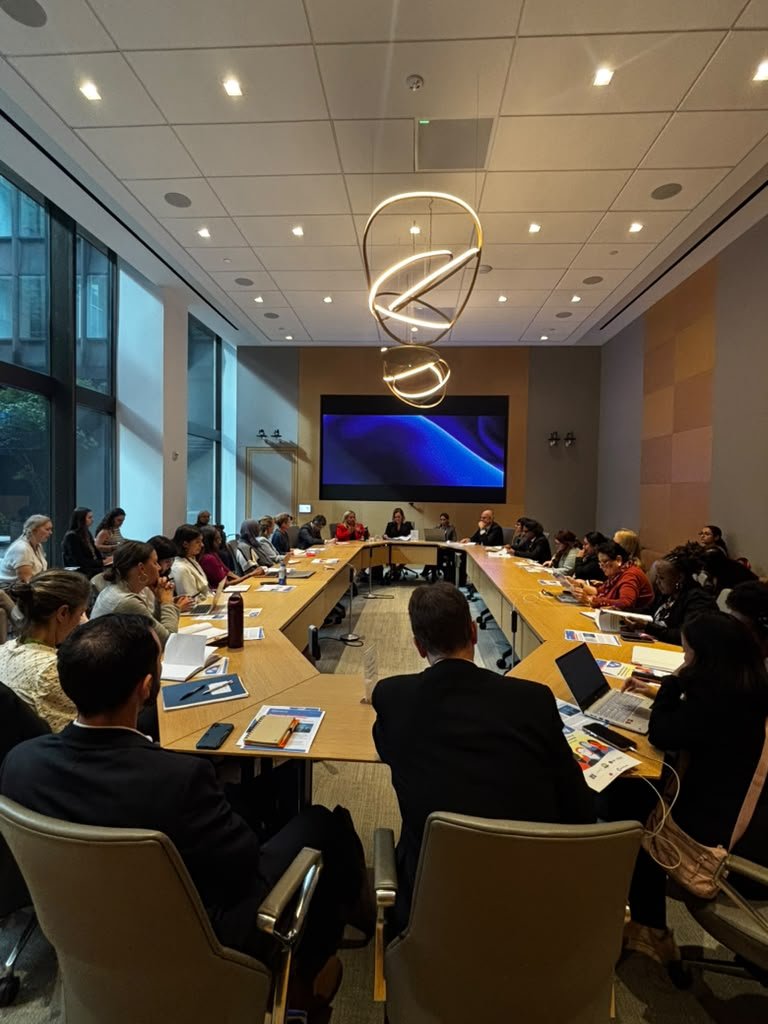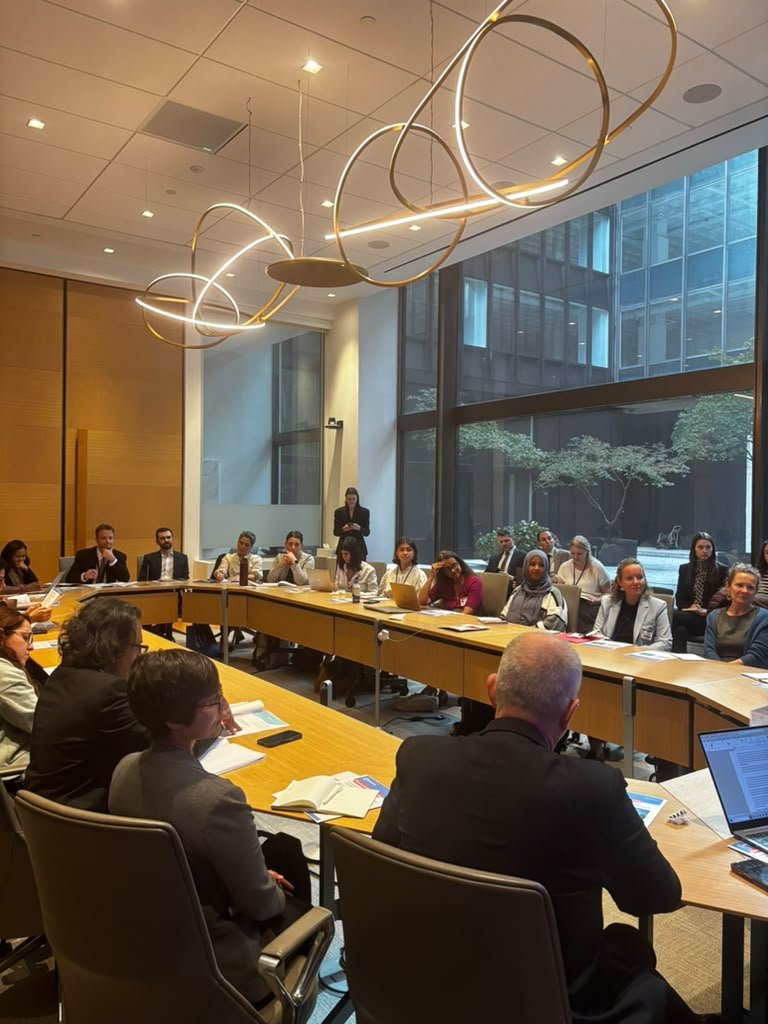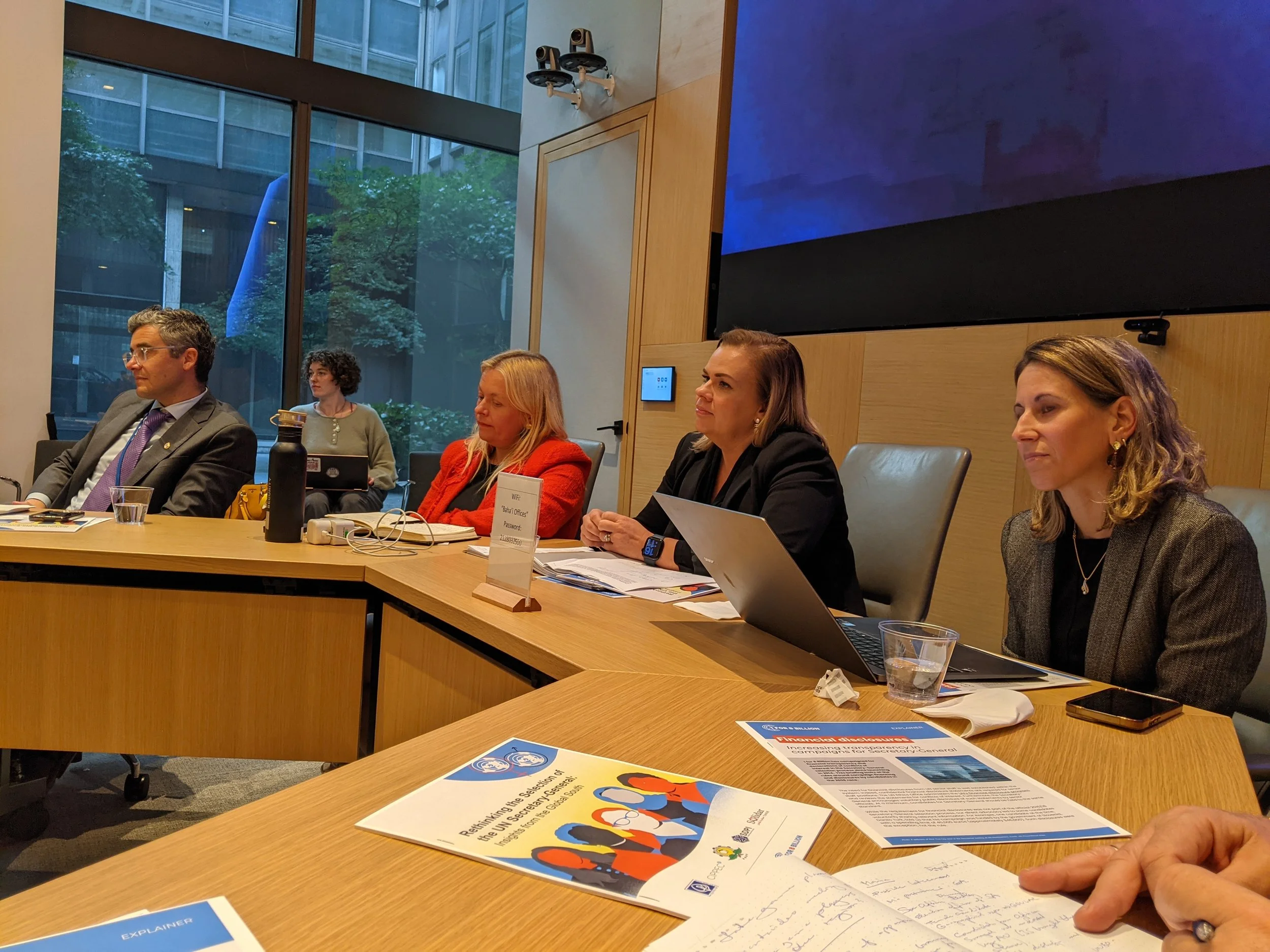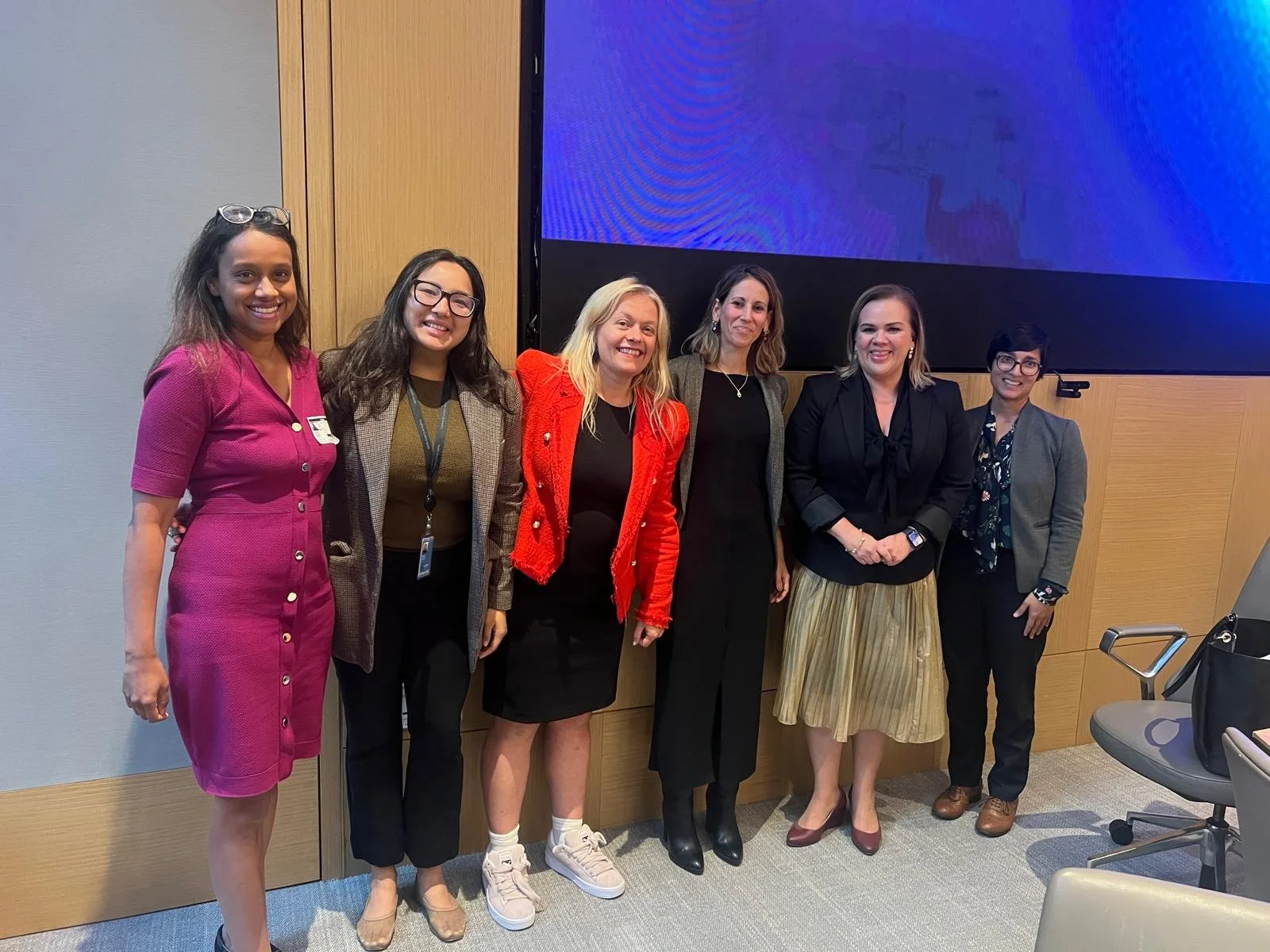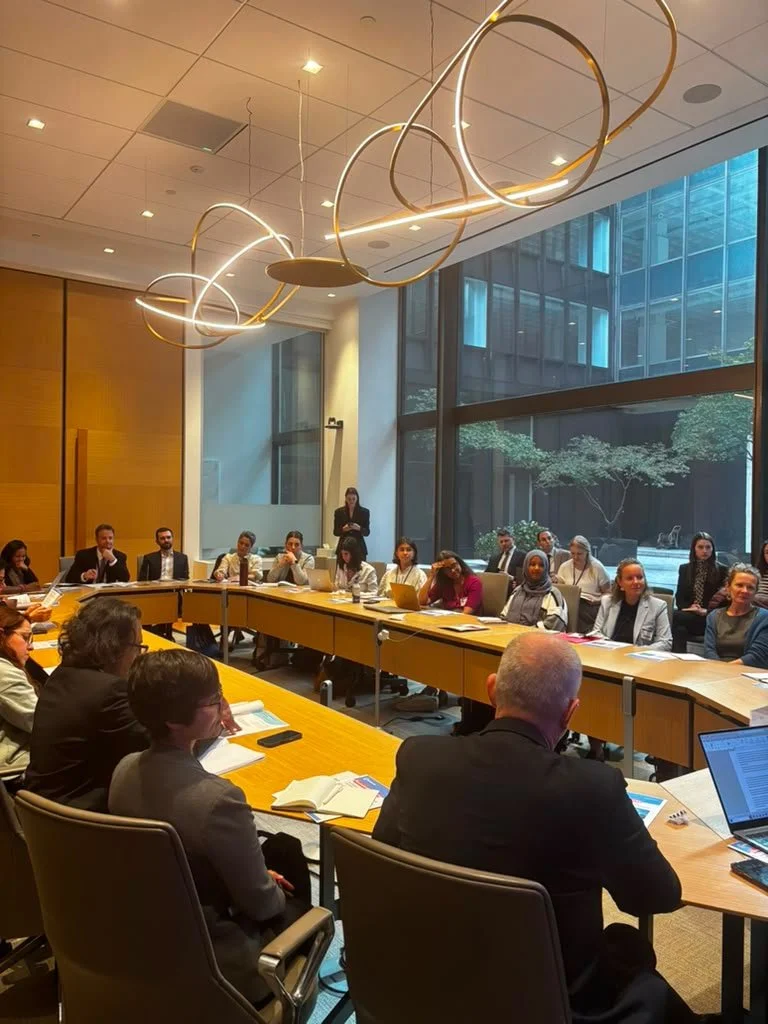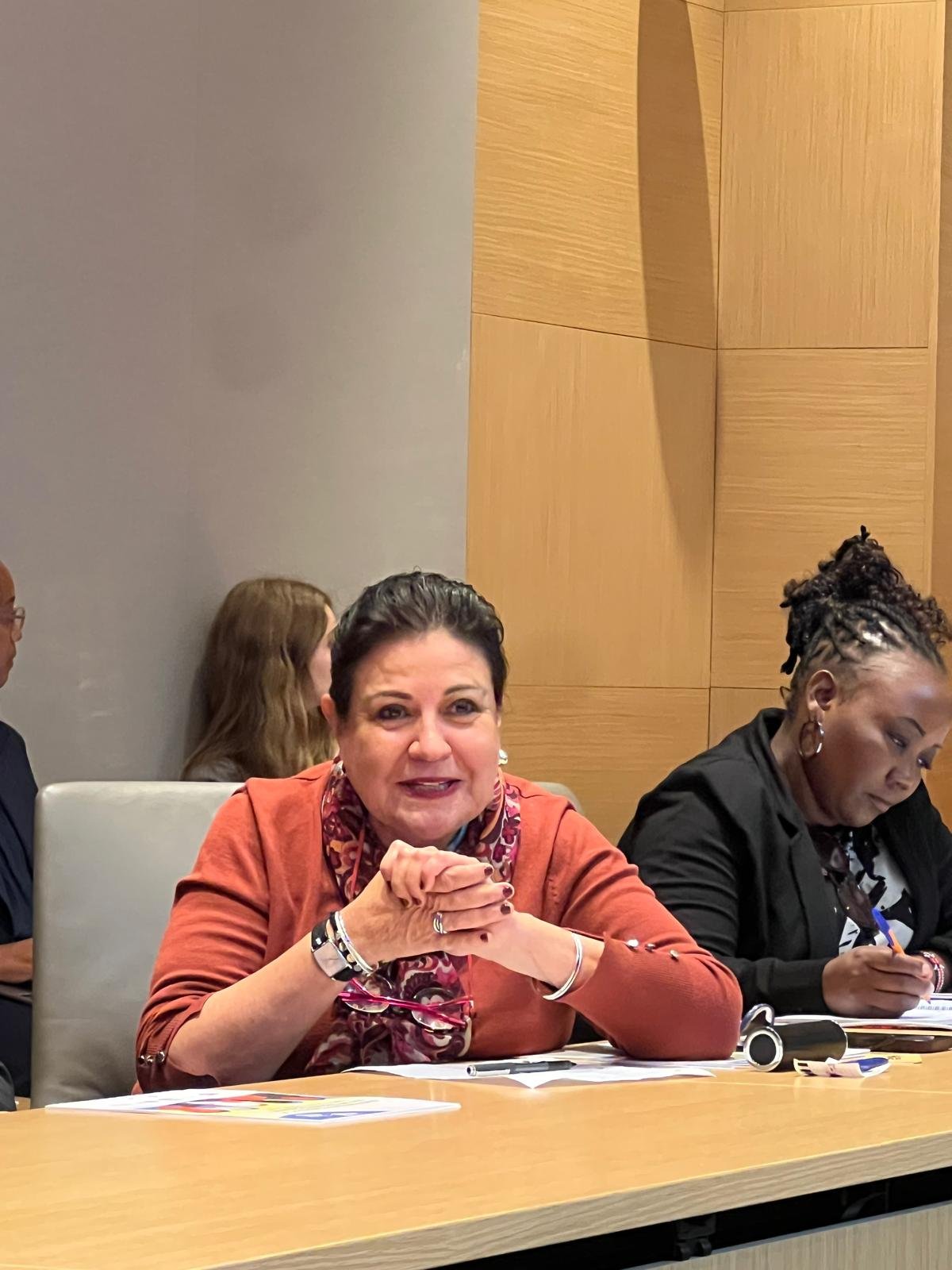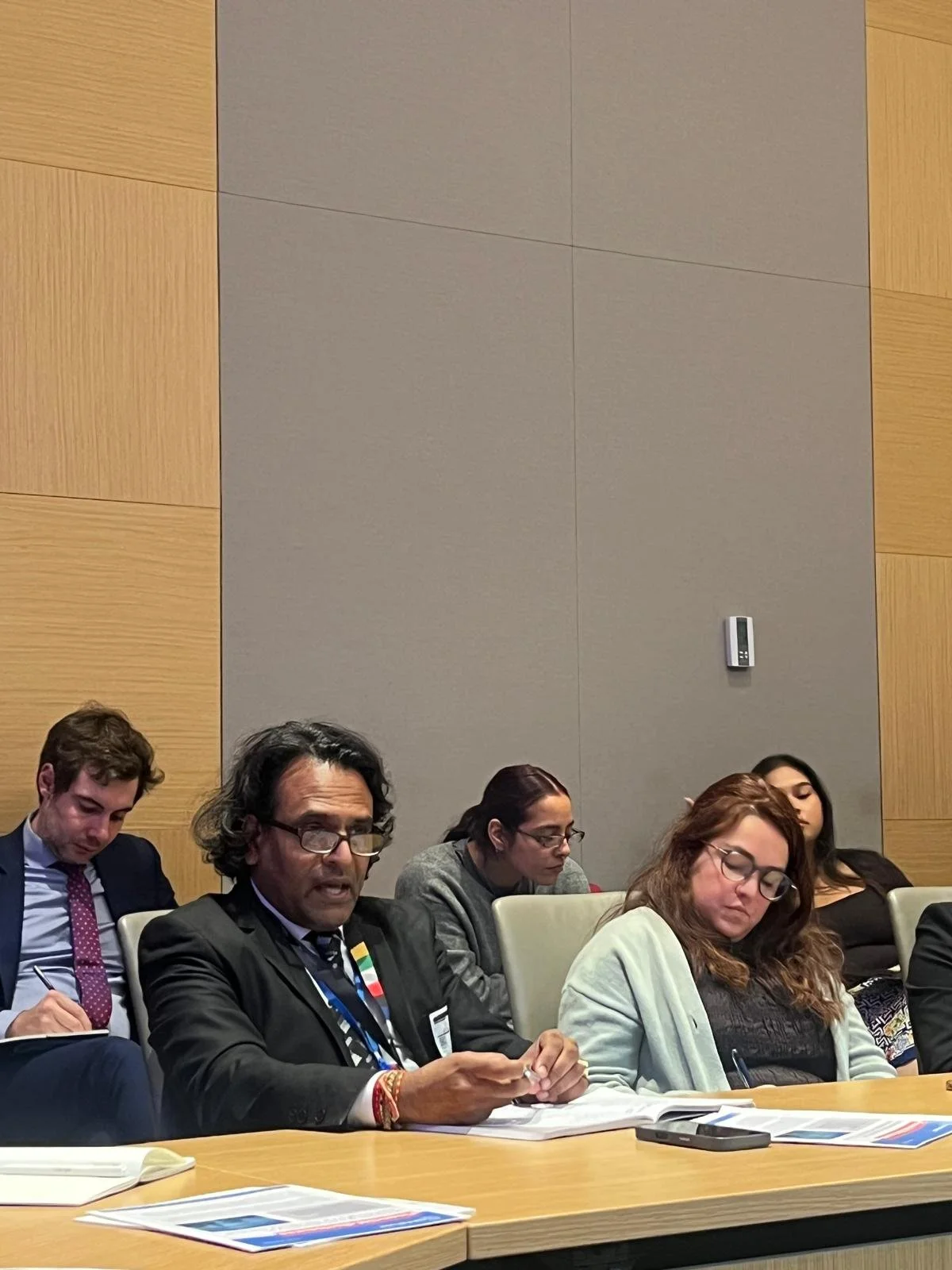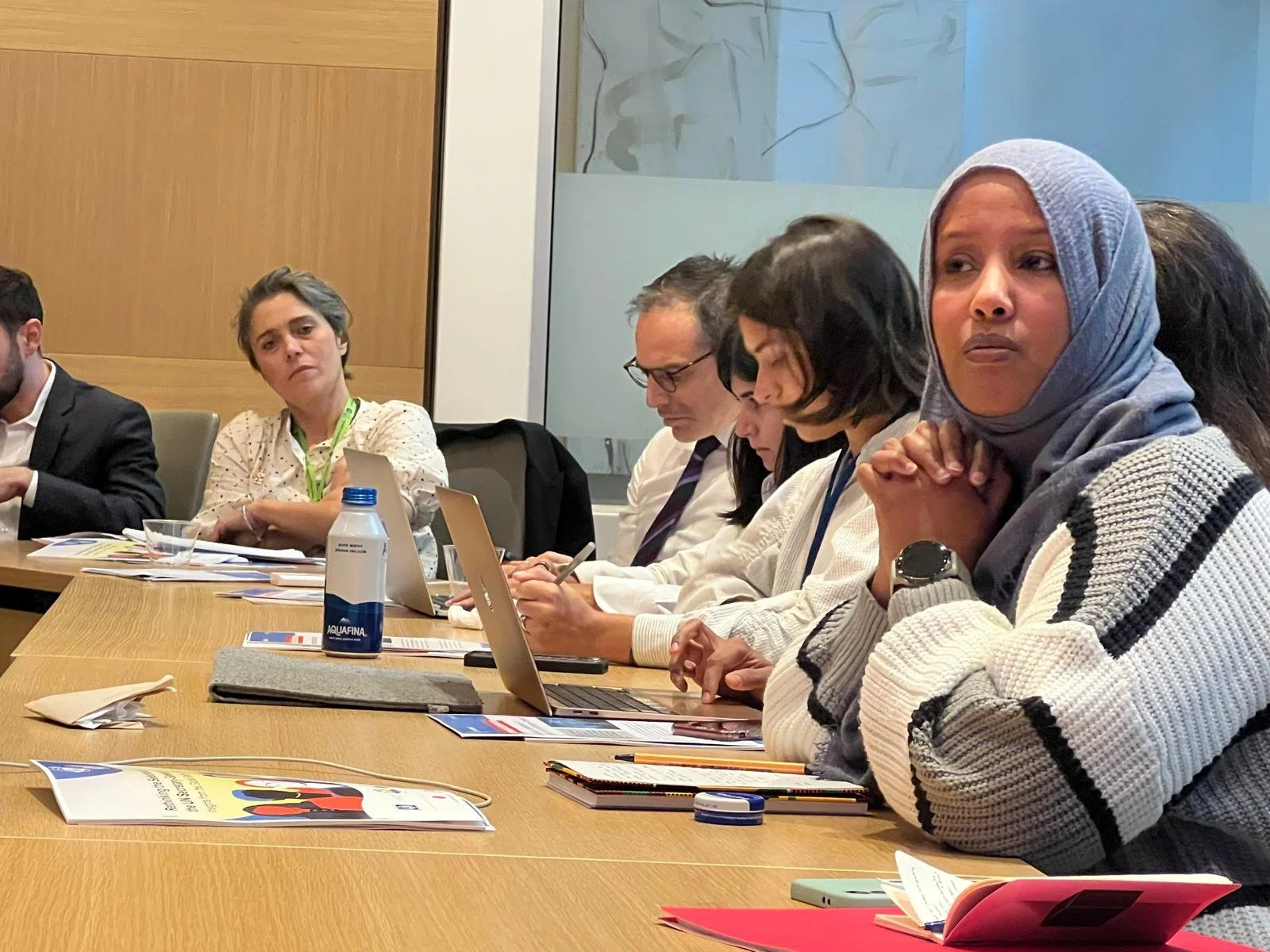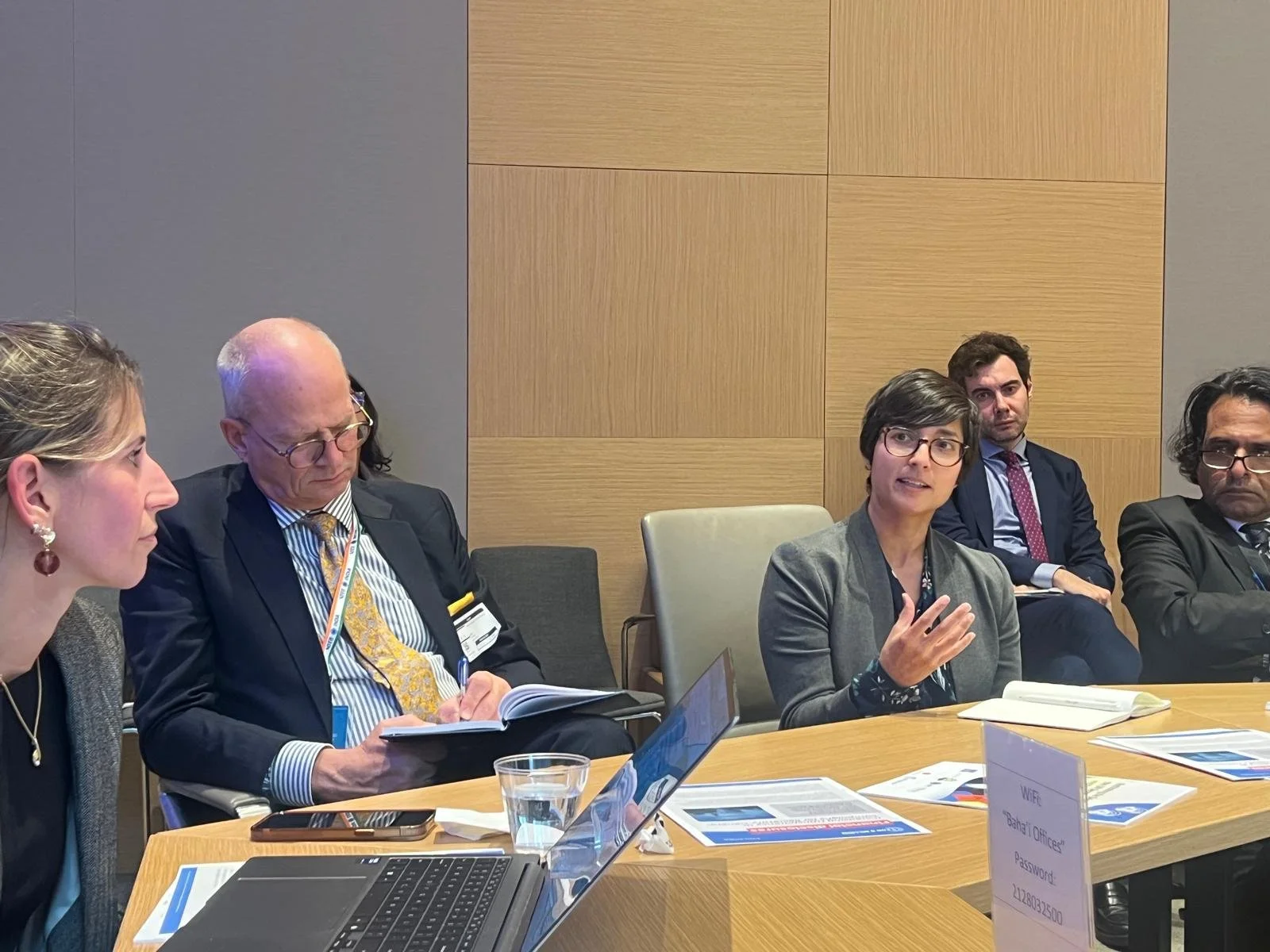
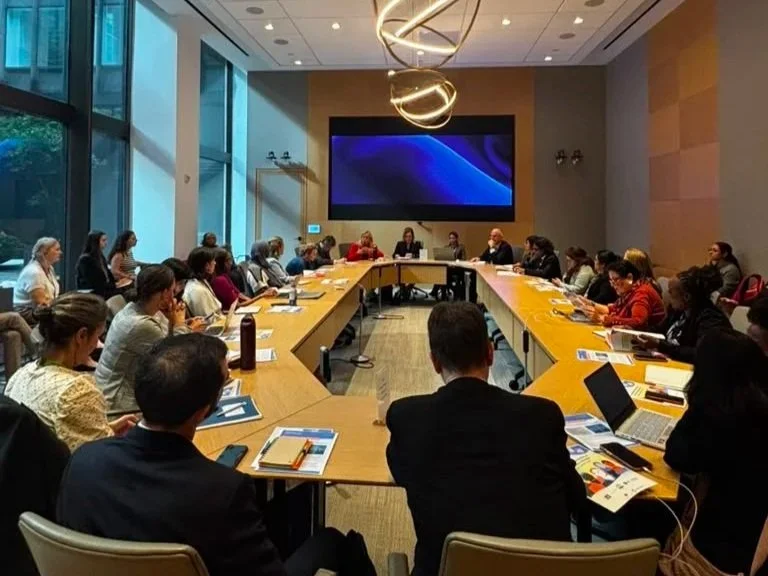
As world leaders gathered in New York for the opening week of the UN General Assembly, 1 for 8 Billion and the Government of Estonia convened a side event to discuss the decisive phase of the UN Secretary-General selection process on 22 September 2026.
Under the event title: ‘Crunch Time: Upholding Transparency, Integrity and the General Assembly's Agency in the Secretary-General Selection Process’, the occasion brought together foreign ministers, diplomats and civil society representatives to discuss opportunities for action in the final stage of the race.
Welcoming guests to the event, Jane Kinninmont, CEO of United Nations Association – UK and Steering Committee member of the 1 for 8 Billion campaign set the scene, remarking that this particular appointment will have an enormous impact on the ability of the UN to renew itself at a time of deep global change. Ms Kinninmont noted the strategic need for the next Secretary-General to have broad buy-in from the international community as represented by the General Assembly, without which they will struggle to work effectively.
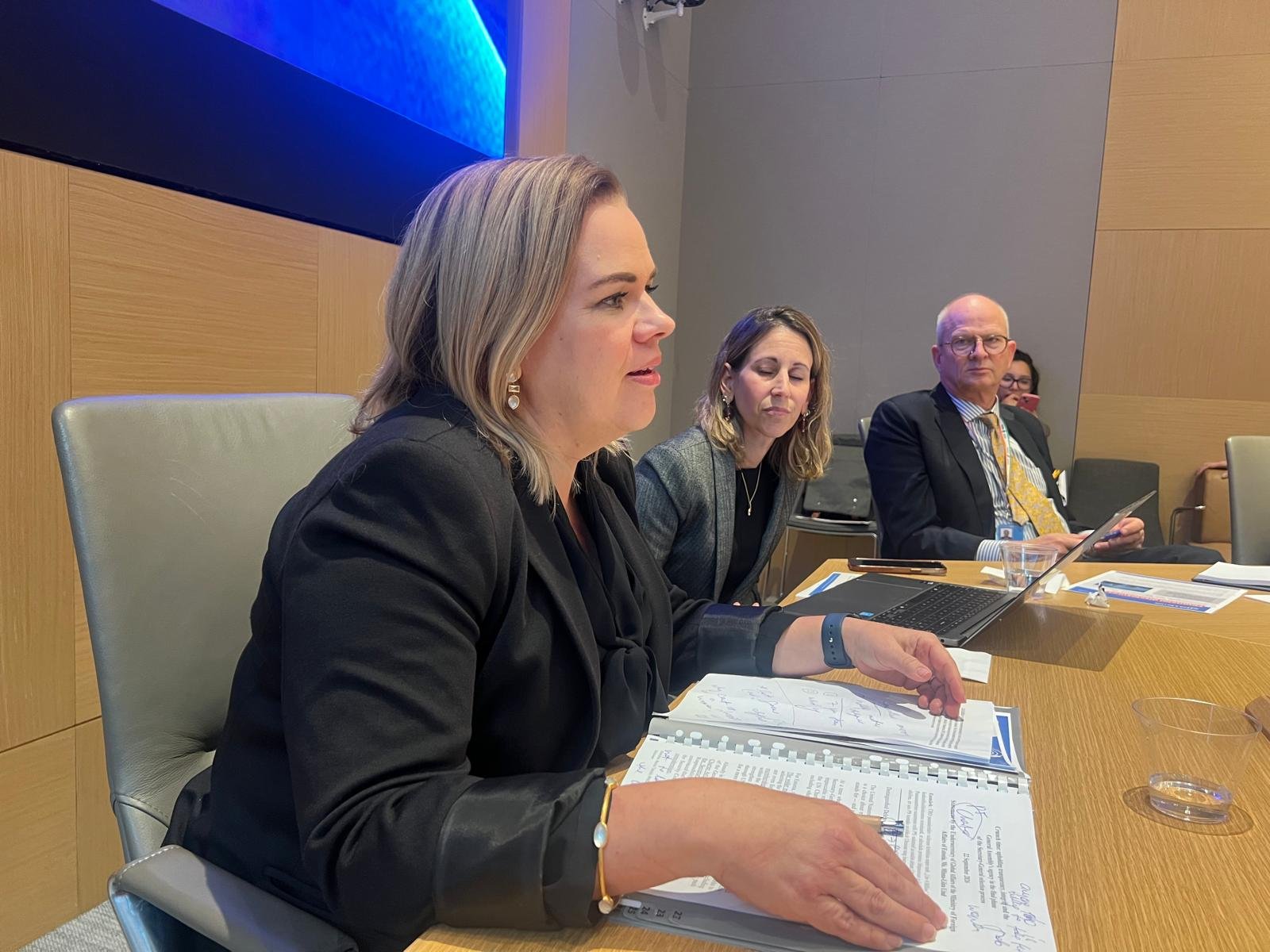
Opening remarks were delivered by Her Excellency, Minna-Liina Lind, Deputy Minister of Global Affairs for the Government of Estonia. Ms Lind noted that everyone involved in the process should realise the heavy responsibility they have: the UN is at a crossroads and there is a need to save multilateralism. Setting out the context Ms Lind said: “the world is a worse place than it was 10 years ago due to heightened distrust between countries, and this creates a difficult atmosphere”. She argued that, against this backdrop, the selection process and the appointment itself matter even more: "With many ongoing wars, it’s important to select a Secretary-General not just for the Security Council, but for the people of the world to feel this is a person who will make their lives better”. Through its position within the Accountability Coherence and Transparency group of 27 member states, Estonia has played a key role in improving the rules of the selection process and has called on the Security Council to select multiple candidates for the General Assembly to choose from, although the Security Council has consistently resisted such a move.
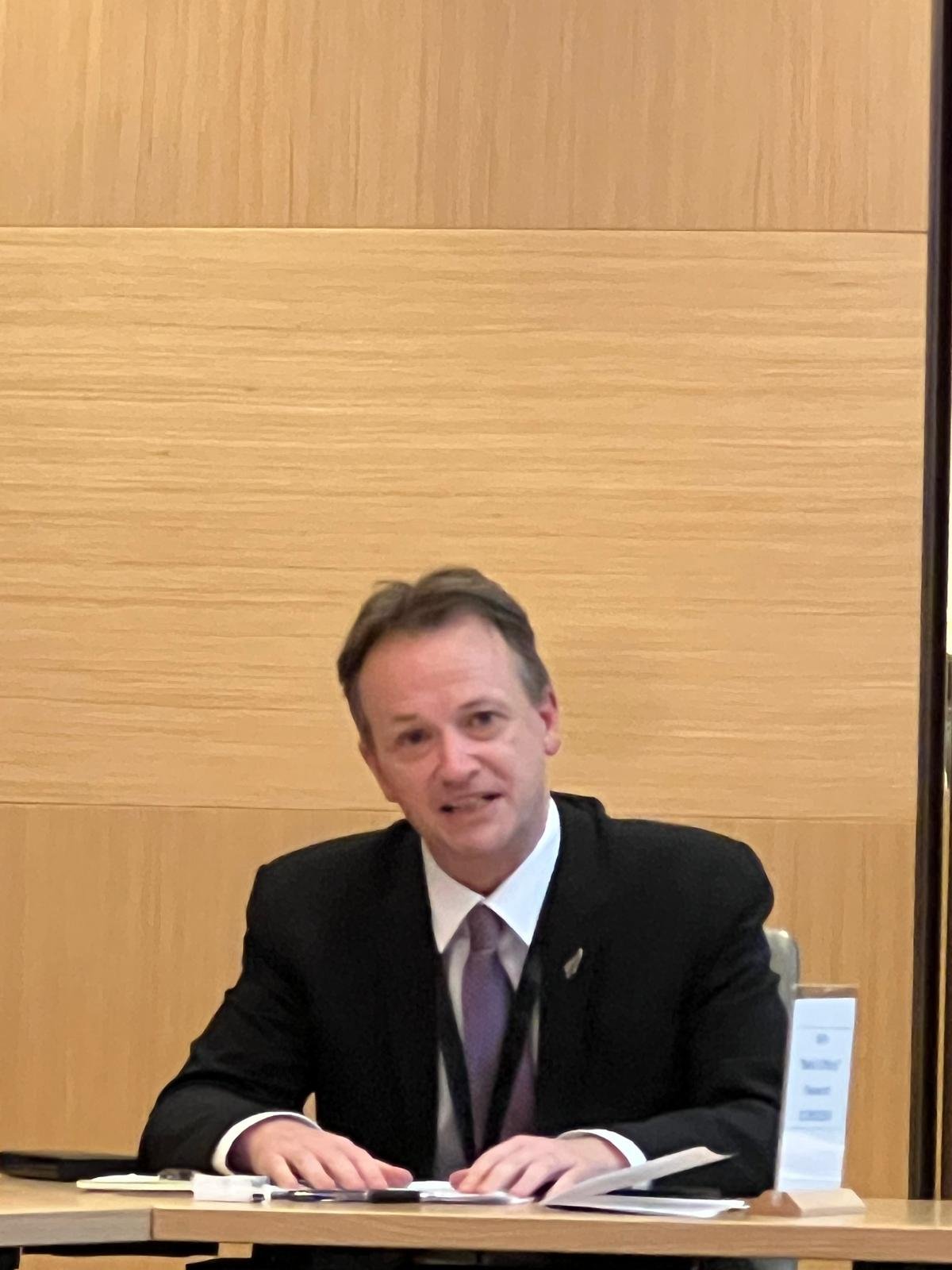
In his remarks, Ambassador Martín Vidal, Director-General for Political Affairs at the Uruguayan Ministry of Foreign Affairs, discussed the approach of the Community of Latin America and Caribbean states (CELAC), which is united in its support for the principle that the next UN Secretary General should come from the region, with a number of different contenders backed by different countries, representing a strong talent pool for the UN to choose from. In addition to the unwritten principle of regional rotation, Mr Vidal noted that the CELAC region has something to offer the UN given the region’s very low levels of interstate conflict, its record in conflict resolution and its achievement of a regional nuclear weapons free zone under the Treaty of Tlatelolco. Mr Vidal explained that Latin America and the Caribbean wants to bring the world the message of peace and the peaceful settlement of disputes, as well as a strong tradition of advancing human rights through the regional court and human rights commission. Uruguay has played a convening role, hosting the only candidate hustings to be held in Latin America.
Maria Noel Leoni, Campaign Director at GQUAL and Steering Committee member of 1 for 8 Billion stressed the importance of public scrutiny, clear criteria and meaningful civil society participation to strengthen legitimacy in the critical final phase of the Secretary-General selection process. While significant progress has been made, Ms Leoni noted that concerns remain about the opacity of decision-making within the Security Council and the continuing dominance of the Permanent Five. She also emphasized the importance of safeguarding the next Secretary-General’s ability to select the best possible team and of finally electing the first woman to lead the United Nations. It is essential for the next Secretary General to be a person of integrity and independence who is committed to the principles of the UN Charter at a time when multilateralism is under attack.
During the discussion a number of key themes arose:
The importance of the next Secretary-General
Speakers emphasised that the next Secretary-General will assume office at a moment of profound global uncertainty. Ongoing conflicts, humanitarian crises, growing political polarisation and challenges to multilateralism have increased the importance of ensuring that the strongest possible candidate is selected. They will also need the support of a wide range of member states to do their job effectively.
Transparency must be protected
A central theme throughout the discussion was the need to deepen the transparency achieved in recent selection processes.
It was stressed that the process itself matters as much as the outcome. Upholding agreed procedures and General Assembly resolutions was identified as critical to protecting the integrity of the UN Charter, reducing the space for misinformation and speculation and ensuring confidence in the final result.
Guarding against last-minute candidates
The discussion also addressed the possibility of late-entry or "dark horse" candidates emerging during the final stages of the process. While the existing candidates have engaged in town halls with the General Assembly and a variety of civil society engagements around the world, it was suggested that some potential candidates might be waiting in the wings and putting off their entry as long as possible in order to bypass the process of scrutiny. If the Security Council did not make up their minds, there could be a risk of a last-minute candidate being rushed through even in late December.
Speakers emphasised that any new candidate should be aware of expectations from the General Assembly that they should face the same level of scrutiny and public engagement as everyone else. Allowing candidates to bypass established procedures risks undermining transparency, fairness and the inclusive dialogue that has characterised the selection process to date, making it vital to safeguard against candidates that plan to “parachute into the process last minute and undermine transparency and earlier candidates’ effort toward inclusivity and open dialogue.”
The message should be sent that attempting to dodge scrutiny would be extremely damaging to any candidate’s credibility, and therefore would reduce their chances of approval by the General Assembly.
The case for a woman Secretary-General
Participants also renewed calls for the election of the UN's first female Secretary-General. With a highly qualified group of women among the candidates, speakers argued that it is no longer possible to make excuses about being unable to find suitably competent people. It is purely an issue of political will. Leoni remarked that there are "infinite reasons why it matters, and zero why it doesn't."
Safeguarding the independence of the future Secretary-General
1 for 8 Billion’s research highlights credible allegations suggesting that, at different points in the UN’s history, members of the Security Council have sought commitments or assurances from candidates that have compromised their future independence.
Participants in the event noted that now is a key moment to call on all Security Council members to observe the letter and spirit of Article 100 of the UN Charter, including by desisting on attempting backroom deals which seek to extract promises from candidates of senior UN positions for their nationals.
Remaining vigilant during the most critical phase in the selection process
Despite the bleak geopolitical outlook, there was a strong sense of collaboration in the room and commitment to keep pushing for improvements during the final leg of the process. Safeguarding the credibility of the selection is an investment in the credibility of the UN and its next chief’s mandate to lead it.
1 for 8 Billion would like to extend our warmest appreciation to the Bahá’í International Community for providing the venue for this event.